A staff member gets it wrong, and then gets it back.
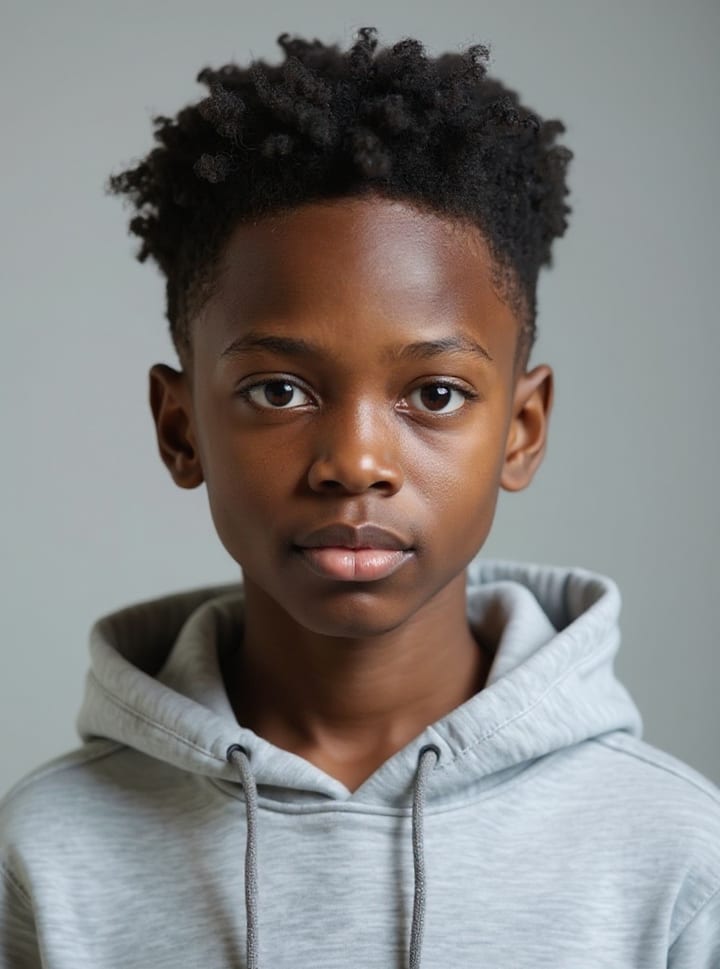
Five exchanges with Marcus, fifteen, in the dayroom at 9pm after a peer conflict. It opens with an instruction that lands badly, because a session where everything goes well is a session where somebody was told what they wanted to hear.
This path is rehearsed. This is a rehearsed demonstration. Marcus’s five responses were written in advance, voiced and lip-synced before today, which is why his mouth forms the words. A live session generates every reply on the spot and cannot do that — no avatar vendor will lipsync a synthetic minor in realtime. Everything else you see here is the live engine.
Before you startCarolinas — Charlotte metro, Triangle, Upstate
Press play when you’re ready. Marcus speaks first. When he finishes, press the staff member’s reply to hear what happens next.
What is rehearsed here, and what is not
Rehearsed: Marcus’s five replies and the staff responses offered beside them. They were written, voiced and lipsynced before today. That is the only reason his mouth forms the words.
Not rehearsed, and built into the live engine at /sim: the behavioral engine, per-turn grading, adaptive difficulty, regional language, the scorecard and the competency record. In a live session Marcus answers whatever is actually said to him, and his mouth is driven by the waveform instead — visibly approximate, and honest about being so.
Why not both: no avatar vendor will lipsync a synthetic minor in realtime. HeyGen and Tavus both prohibit avatars that depict or appear to depict anyone under eighteen. The batch models that will do it take roughly half a minute a clip, which is fine before a meeting and unusable inside a sentence.